
Residential Window Tinting in Myrtle Beach, SC
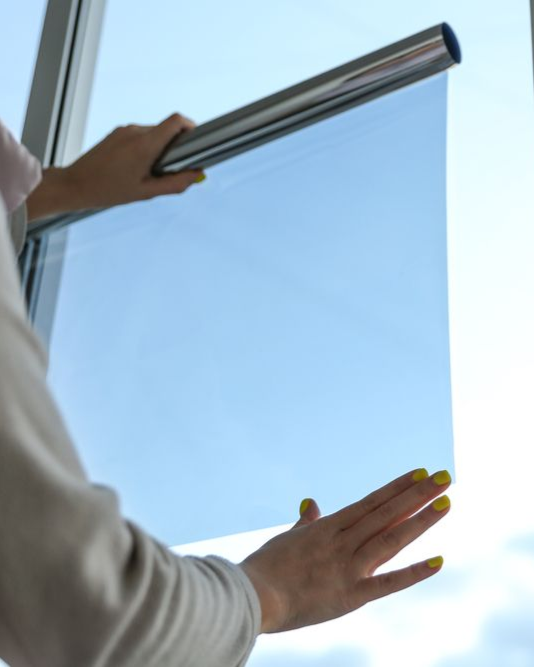
If your home feels hot, bright, and exposed, residential window tinting from Classic Tint in Myrtle Beach helps cool things down, cut glare, and add privacy without closing your blinds
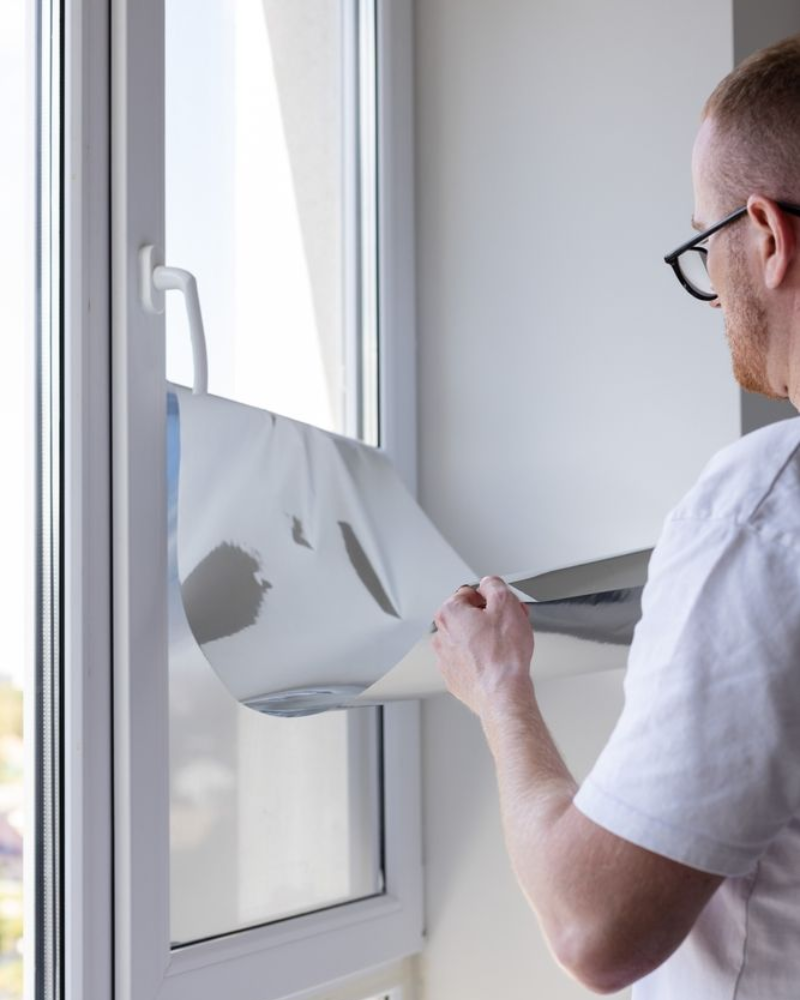
Enhance Comfort and Privacy
Myrtle Beach, SC’s Top Shop for Residential Window Tinting
Residential window tinting is for homeowners who are tired of hot rooms, harsh glare, and feeling like the neighbors can see everything. With the right film, you’ll cut heat and UV so your furniture, floors, and décor don’t fade as fast, and your home stays more comfortable all day. You still get natural light, just without the “oven” effect every afternoon. Plus, added privacy makes your place feel calmer and more secure without keeping the blinds closed. Classic Tint will help you pick a tint that fits your style and your space, so your windows finally work for you instead of against you.

Classic Tint and Coatings
Residential Window Tinting Options
How to Care for Your Residential Window Tint
Let the Tint Cure Before You Touch It
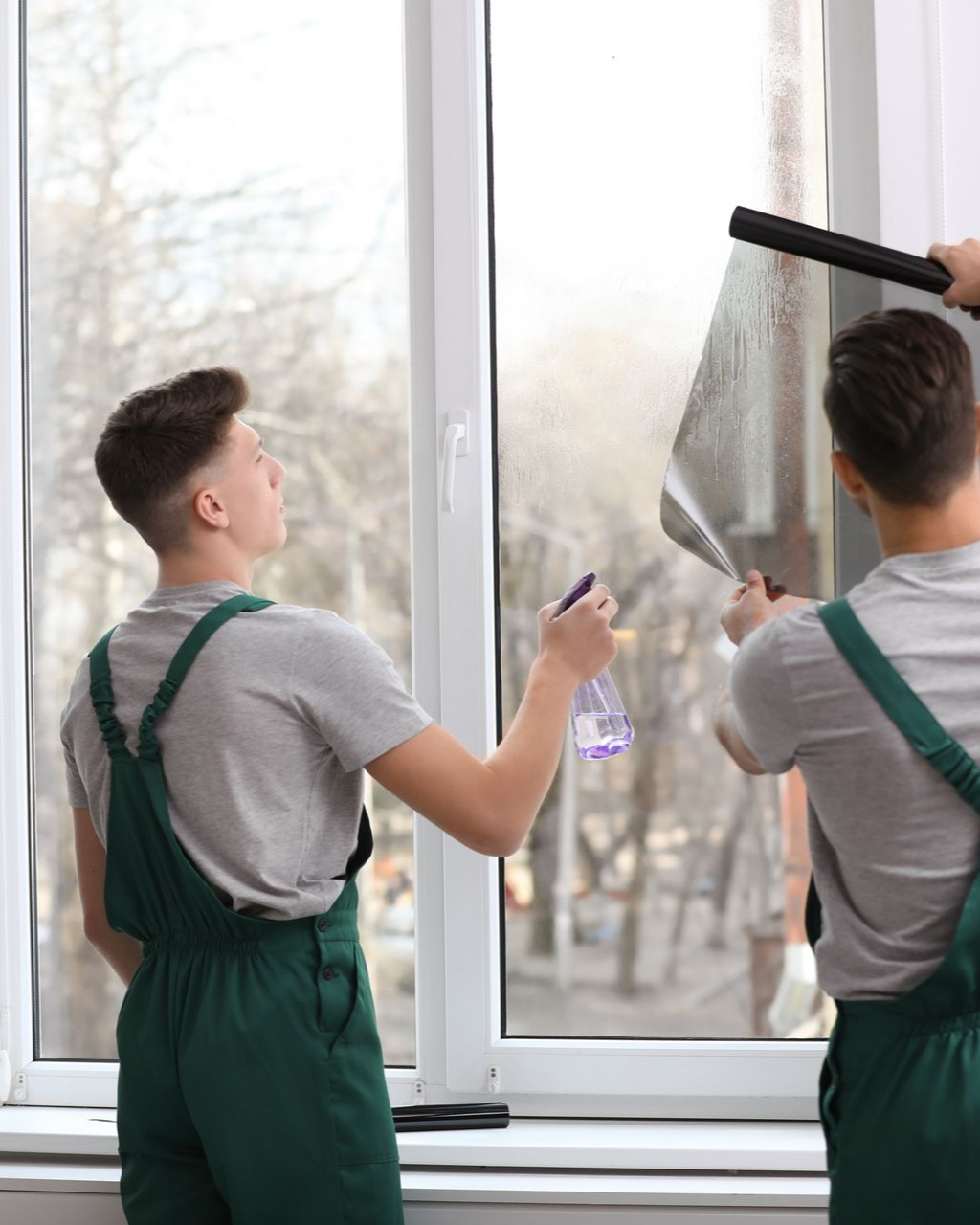
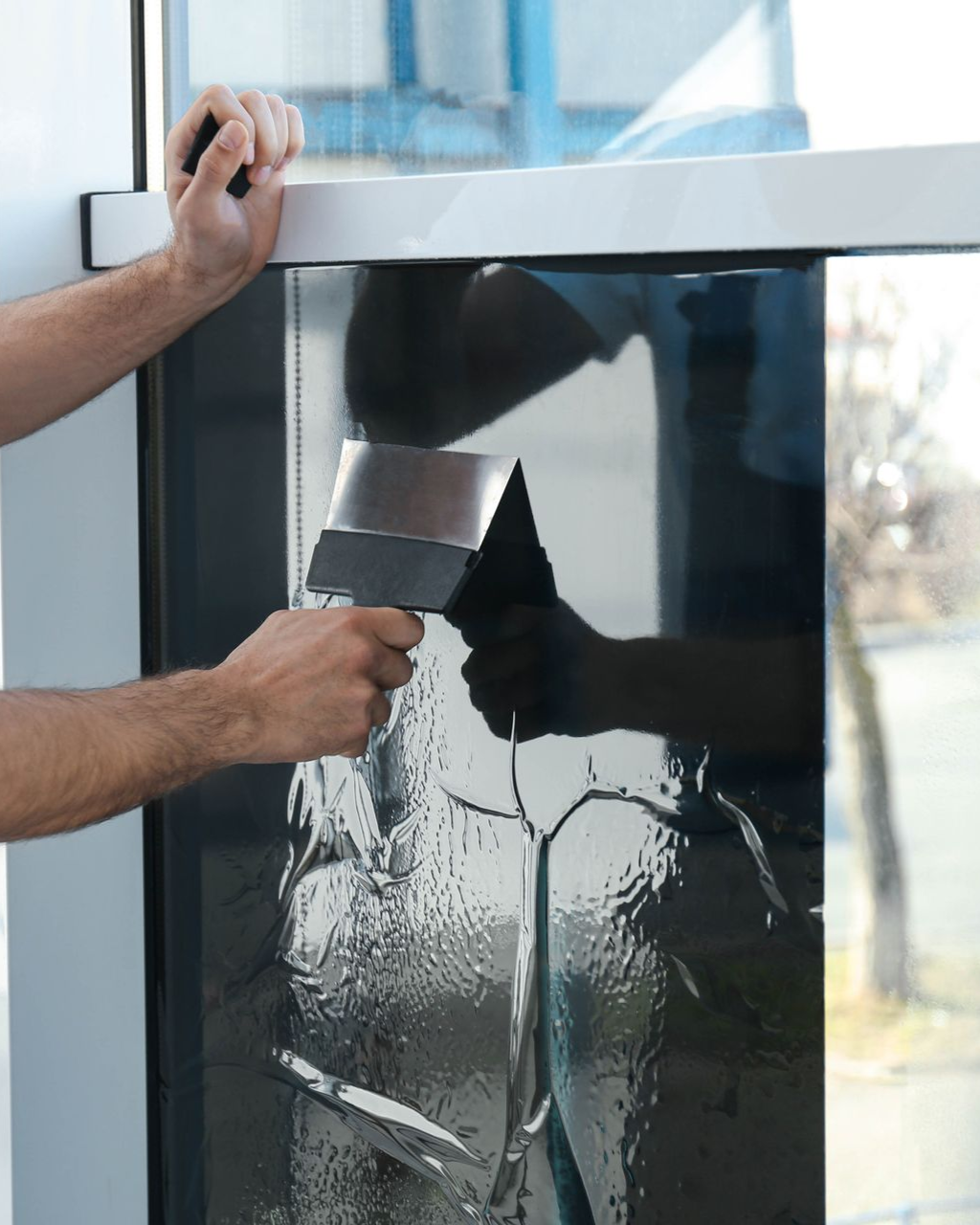
Right after install, your tint needs a little time to settle in. It’s normal to see a bit of haze, streaks, or tiny water pockets between the film and the glass. Don’t poke, scrape, or try to “fix” anything. Just let it cure for a week or two, depending on the weather, and it’ll clear up on its own.
Wait Before You Clean the Windows
You’ll want to hold off on cleaning the glass until the tint is fully cured. Wiping it too soon can move the film around or damage the edges. Once we give you the green light, you’re safe to clean as usual. Until then, just enjoy the cooler rooms and leave the windows alone.
Use Gentle Cleaners and Soft Towels
When it’s time to clean, stick with ammonia free glass cleaner or a simple mix of mild soap and water. Spray lightly and wipe with a soft microfiber towel, not paper towels or anything rough. You don’t need to scrub hard. Gentle passes are enough to keep the film looking clean without scratching it.
Skip Scrapers, Blades, and Abrasives
Razor blades, scrub pads, and harsh chemicals are great ways to ruin tint fast. Avoid them completely on any tinted glass. If something sticky is stuck to the window, use a little extra cleaner and patience instead of reaching for a blade. When in doubt, ask us what’s safe before you experiment.
Watch the Edges and Corners
The edges are the most vulnerable part of any tint job. Try not to pick at them or run cleaning cloths straight into the edge over and over. If you see a corner starting to lift or something just doesn’t look right, reach out before it gets worse. A quick check or touch up now is easier than a fix later.
Get Residential Window Tinting Today
Have Questions?
Scan Our Residential Window Tint FAQs
What can residential window tint actually do for my home?
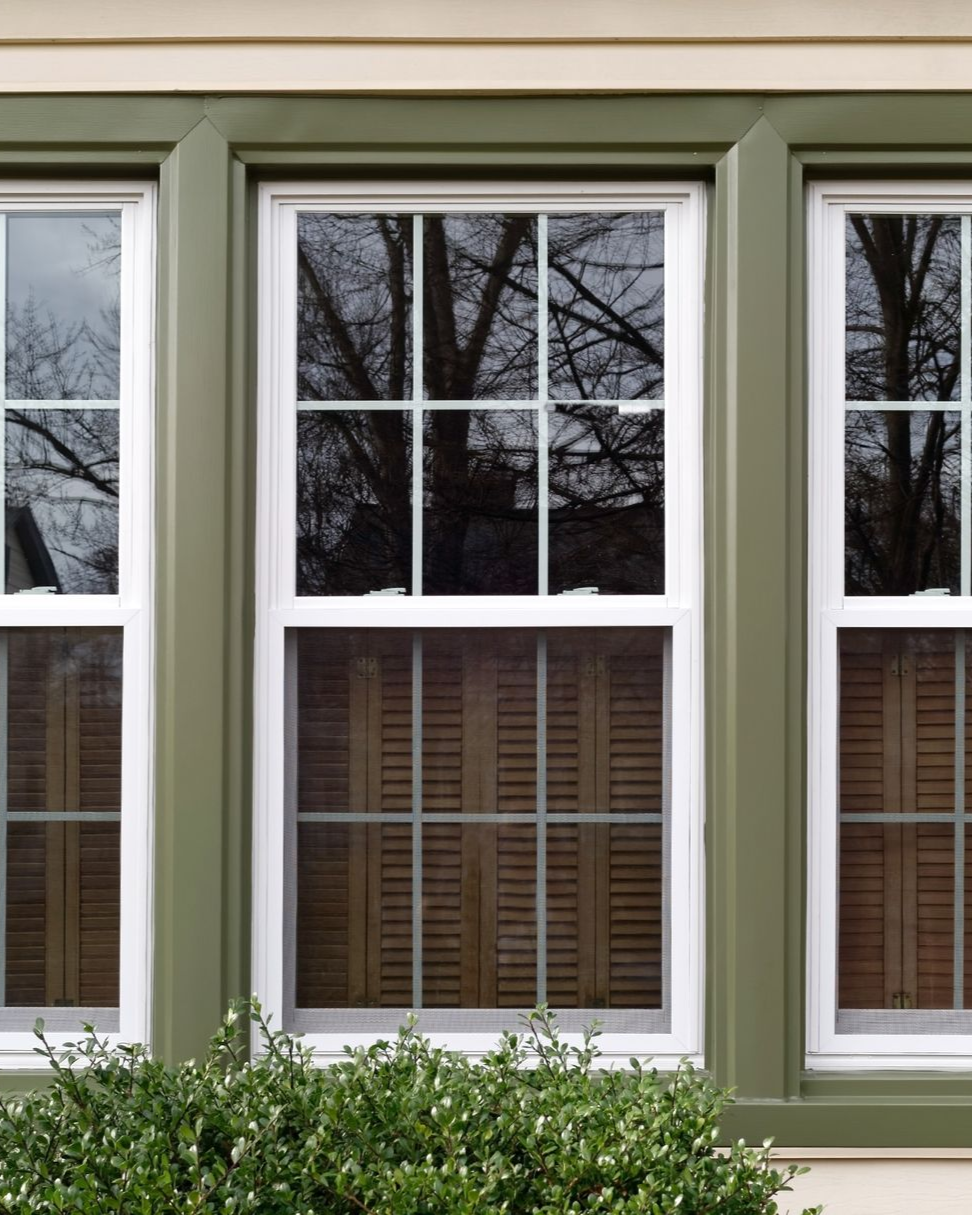
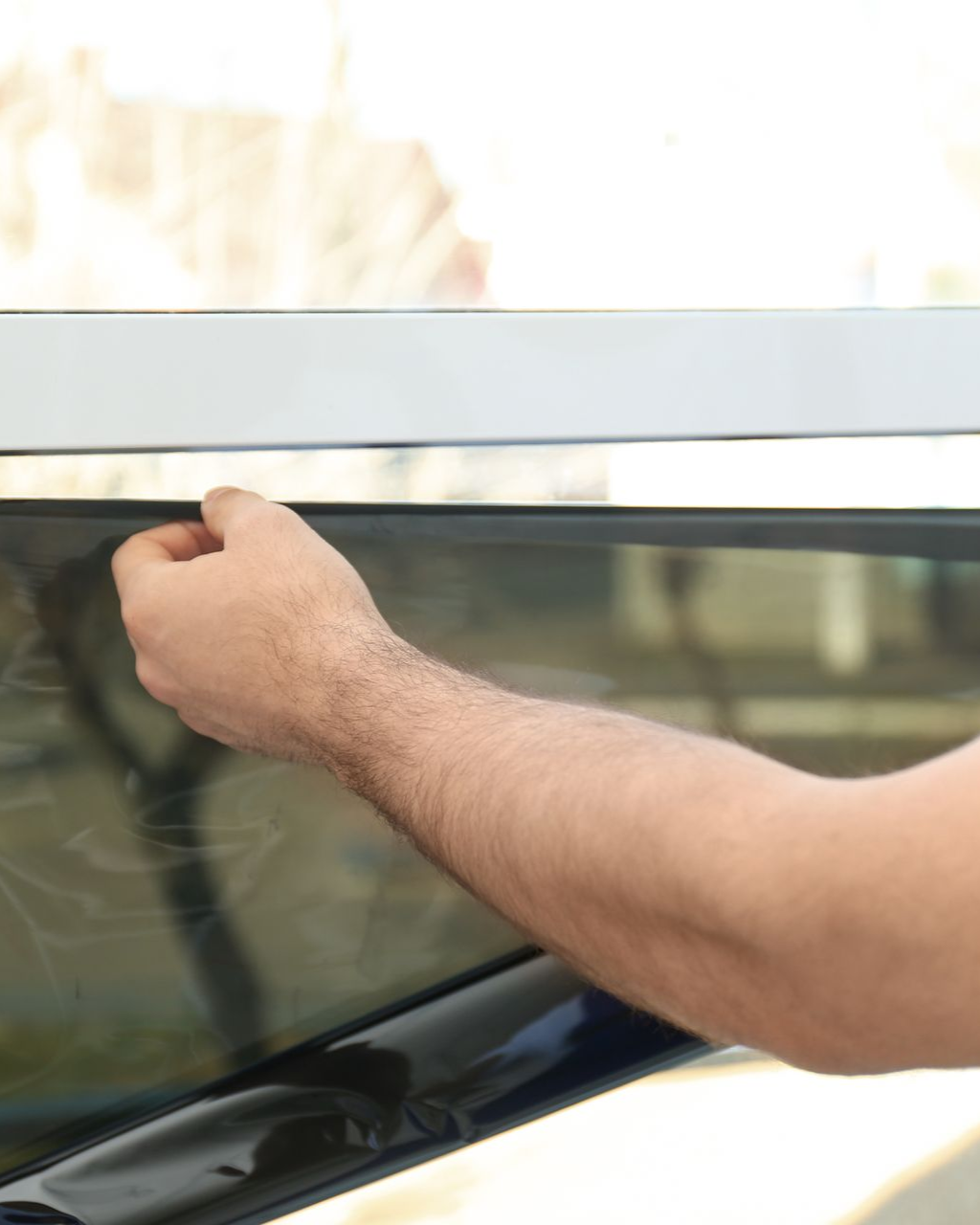
Residential window tint does more than just darken your glass. Solar film helps cut heat and glare so your rooms feel cooler and more comfortable, security and safety film adds strength to the glass to help it hold together if it’s hit or broken, and decorative film lets you add frosted or patterned looks without replacing the window. You can also go with reflective or privacy film to make it harder for people outside to see in during the day. All of that adds up to a home that feels more comfortable, private, and dialed in to how you actually live.
What’s the difference between solar, security, decorative, reflective, and privacy film?
Solar film is mainly about comfort and energy efficiency, cutting heat and UV so your A/C doesn’t work as hard and your furniture doesn’t fade as fast. Security and safety film is thicker and designed to help hold broken glass together if it’s struck, which can add peace of mind around doors, big windows, or storm-prone areas. Decorative film gives you that frosted or patterned look for bathrooms, entryways, or interior doors, while reflective and privacy film help reduce visibility from outside while still letting you enjoy natural light. We’ll help you match each film type to the room and the problem you’re trying to solve.
Will window tint make my house feel too dark inside?
It doesn’t have to. A lot of residential film is designed to cut heat and UV without making your windows look super dark or limo-tinted. You can choose lighter shades that keep your rooms bright but take the edge off the glare and hot spots. During your quote, we’ll show you different samples on the glass so you can see how they look in your actual lighting before you decide.
How long does residential window tint last and how do I take care of it?
With quality film and proper installation, residential window tint can last many years while still looking clean and clear. Taking care of it is pretty simple: let it fully cure after install, then clean it with ammonia free glass cleaner and soft microfiber towels. Skip razor blades, harsh scrub pads, or strong chemicals on any tinted glass. If you treat it like a finished surface instead of bare glass, you’ll get a long life out of it.
Where in my home does window tint make the most sense?
Window tint makes a big difference anywhere you battle heat, glare, or nosey neighbors. That might be big living room windows that face the sun, bedroom windows where you want more privacy, glass doors, home offices where glare hits your screens, or bathrooms where decorative film can stand in for blinds. We’ll walk through your home with you, listen to what bugs you most, and suggest solar, security, decorative, reflective, or privacy film where it’ll give you the biggest payoff.
